Soft washing is a treatment decision, not a promise of gentle results
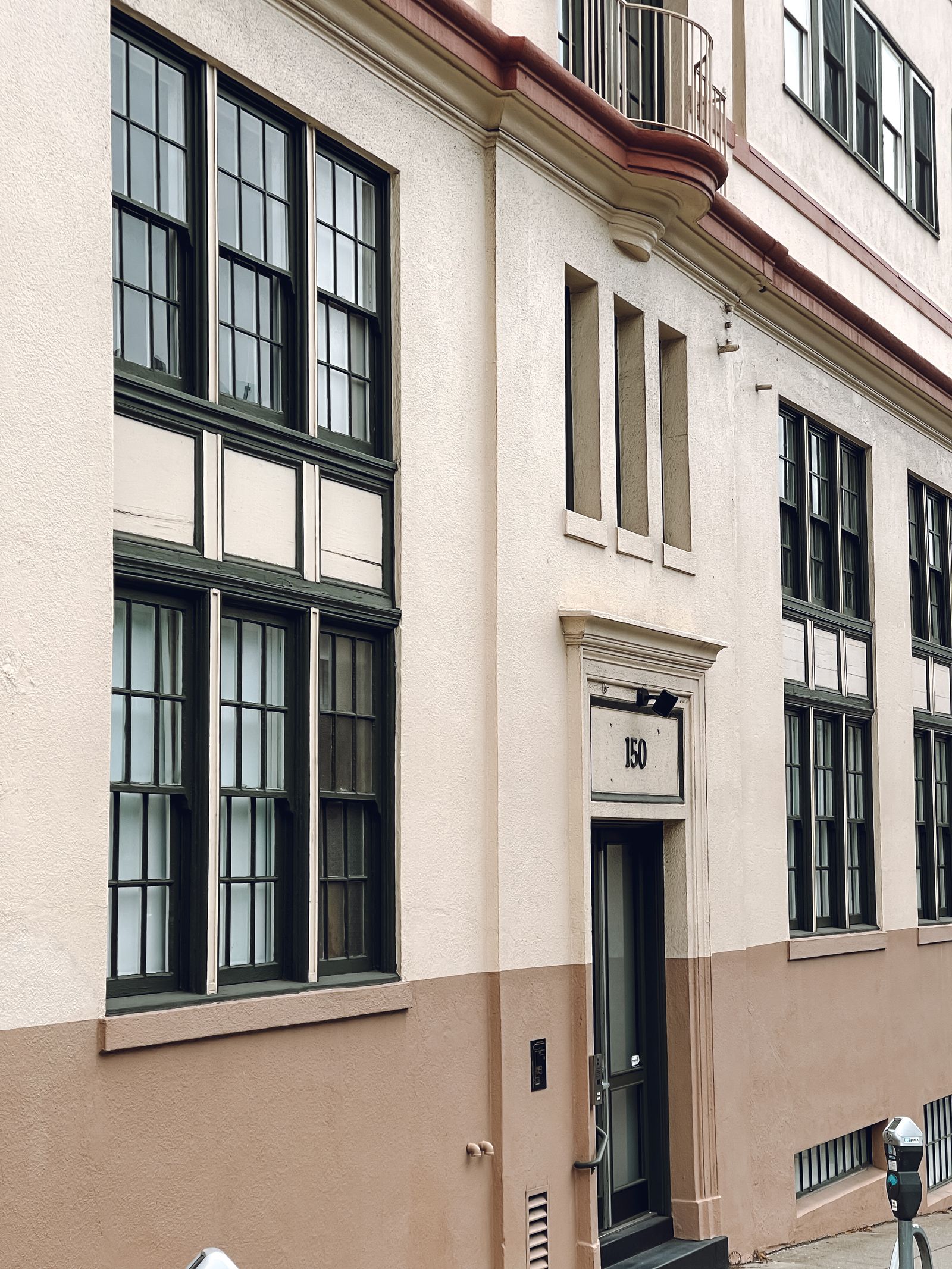
Soft washing generally combines a low-pressure application, a selected cleaning solution, dwell time, and a controlled rinse. The purpose is to loosen compatible organic growth, pollen, bird residue, and atmospheric film without relying on high impact. That can be useful for some stucco, painted masonry, brick, coated panels, and other facade zones, but the chemistry still must be compatible with the substrate, coating, landscaping, equipment, and drainage plan. Lower pressure does not excuse poor protection, excessive dwell, overspray, or uncontrolled runoff.
Visalia buildings may have several conditions on one elevation. Dust may sit beside mineral deposits from irrigation, oxidation on a painted panel, failed sealant at a joint, or a roofline streak from a damaged downspout. A soft-wash label does not mean every condition will disappear. A test section, dry inspection, and honest exclusions help an owner decide whether the expected improvement supports the project or whether restoration, painting, glass detailing, or repair should be added separately.
Pressure washing fits selected durable surfaces when it is controlled
Pressure washing may be appropriate for sound concrete approaches, loading pads, parking structures, service yards, garage floors, and other durable hardscape after the surface, force, nozzle, distance, flow, drainage, and adjacent uses are reviewed. It is not a universal facade method. Excess force can etch concrete, strip paint, damage stucco or EIFS, open sealant joints, disturb mortar, drive water behind a coating, or break fragile trim. A larger pump does not automatically create a better commercial result.
A Visalia property may legitimately use a mixed method: controlled pressure on a sound service yard, a tested soft wash on a stucco wall, contact work on a sign band, and separate glass detailing at the entrance. The estimate should show those boundaries. Ask why pressure is proposed, where it will not be used, how adjacent materials will be protected, and what will be inspected after drying. One setting for the entire building is usually a sign that the scope needs more detail.
Compare the method with Central Valley soil and heat
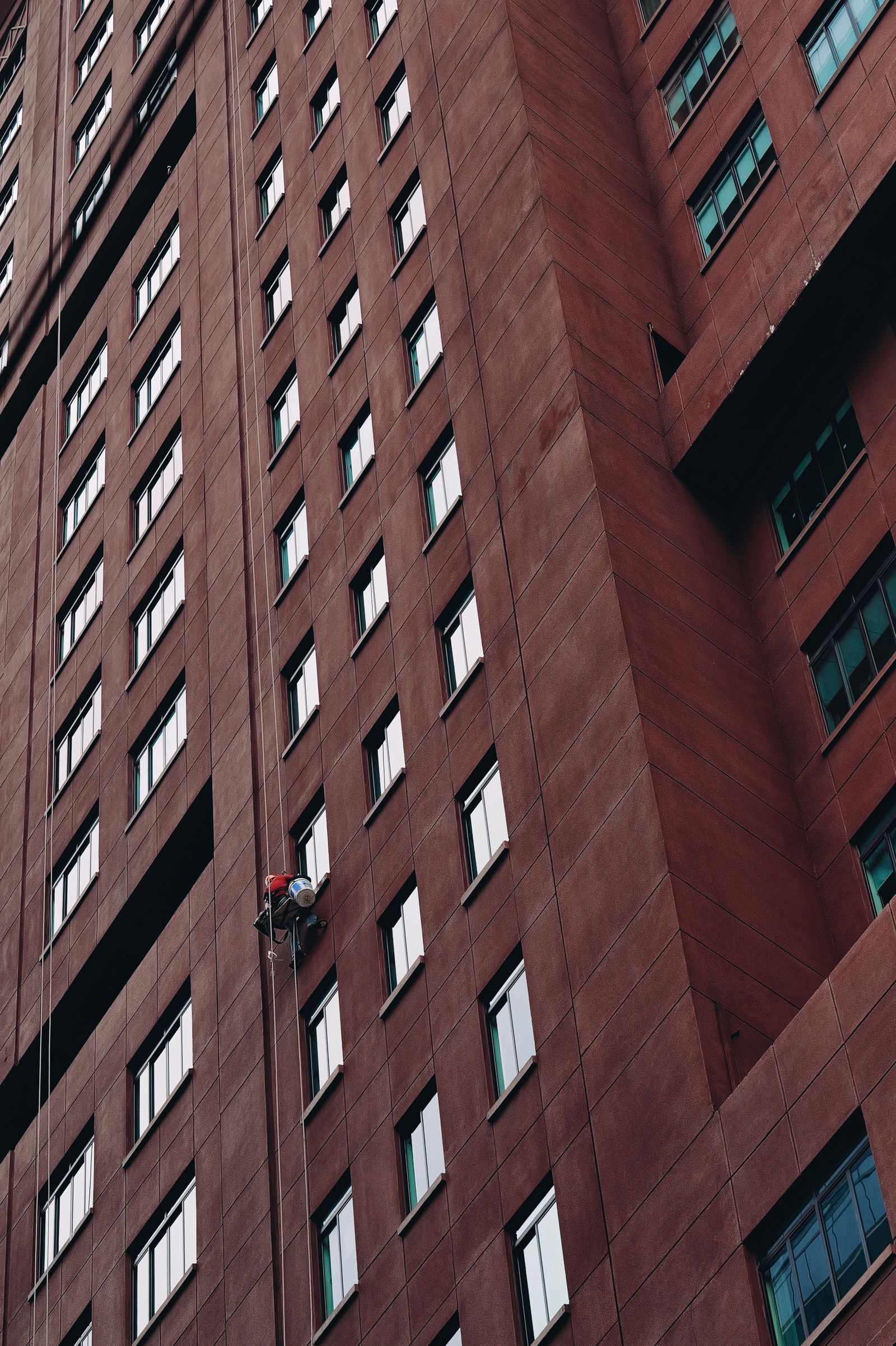
Visalia dust can be loose, compacted, mixed with exhaust, or bonded to a damp organic film. Pollen and crop activity may resettle quickly on horizontal ledges, canopies, and shaded walls. Irrigation overspray can create mineral deposits that a routine wash will not remove. Heat can make a sun-facing surface dry before the intended dwell is complete, while wind can move dust into a rinsed area or carry mist beyond a planned boundary. The method needs a weather hold point and a dry review, not simply a pressure number.
Air-quality conditions also belong in the comparison. Smoke, ozone, and heavy dust may affect worker comfort, occupant expectations, visibility, and whether outdoor work can be completed with the planned controls. A hotel, school, medical office, or retail site may prefer a different window if doors and air intakes are active. A quote should state when the crew will pause for heat, wind, air quality, visibility, rain, or unexpected resoiling and how rescheduling affects the sequence.
Let the Visalia property type shape the work sequence
Hotels need arrival lanes, valet or guest paths, housekeeping, outdoor seating, and event timing protected. Healthcare properties need patient drop-offs, emergency routes, sensitive entrances, air intakes, and facilities coordination. Schools and colleges need arrival changes, athletics, class transitions, and student routes considered. Retail centers near Mooney Boulevard or Caldwell Avenue may need customer parking, tenants, signs, and accessible travel open. Offices may be easier to phase, but tenant doors and lunch activity still matter.
Agricultural, packing, cold-storage, and logistics sites can add trucks, forklifts, gates, dust, crop material, production equipment, and shift changes. A pressure method that seems efficient on an empty wall may be a poor fit beside a loading dock. A lower-pressure approach still needs controls around food or product areas, drains, electrical equipment, and air intakes. Compare the work plan, spotters, hose routes, blackout dates, pause authority, and handback standard alongside the cleaning method and price.
Drone assistance changes access, not the finish standard
Drone-assisted wetting or rinsing may help on a broad upper elevation when the operator has clear visual control, sufficient stand-off distance, a secure launch and recovery area, manageable wind, water access, and separation from people and vehicles. That may reduce lift moves at a hotel, warehouse, school, medical office, or tilt-up building. It does not create a contact finish. Glazing that needs a squeegee, bonded deposits, recessed ledges, fragile trim, failed joints, and repairs still need an appropriate ground or elevated method.
Visalia Municipal Airport, power lines, trees, cranes, rooftop equipment, tanks, highways, agricultural machinery, and neighboring properties should be reviewed before aerial support is proposed. Current FAA requirements and any applicable airspace authorization still apply. The proposal should identify the aerial zone, weather and airspace limits, ground boundary, spotter position, and backup plan. Property permission is important, but it is not a substitute for aviation compliance or a safe operating plan.
Compare water and runoff controls before comparing prices
Soft washing and pressure washing both move water and removed soil. Compare the water source, expected flow, product, slope, drains, low points, landscaping, irrigation, doors, equipment, vehicles, neighboring parcels, and public routes. Visalia sites can move water across broad parking fields or toward a single inlet. A visible grate is not automatically an approved discharge point. Depending on the location, controls may include dry cleanup, reduced flow, inlet protection, diversion, monitored recovery, filtration, or an approved disposal arrangement.
Ask how the contractor will respond if water travels differently than the site sketch. Require protection for crops, planted beds, patients, students, guests, tenants, vehicles, HVAC intakes, production equipment, and accessible travel. If aerial support is proposed, ask where spotters stand and when wind or air quality stops the operation. A low bid based on an unoccupied wall can change once traffic, drainage, production, or recovery controls are included. Dry-condition photos and a closeout note should be part of the comparison.
- Request a method and expected finish by material and elevation.
- Separate facade washing from hardscape pressure cleaning, glass detail, restoration, and repairs.
- Compare heat, air quality, wind, access, airspace, people, vehicles, water, and runoff controls.
- Require a grounded backup method when aerial support depends on field conditions.
Use a Visalia test area and written scope to make the decision
A small test area can reveal whether the likely soil responds to a tested low-impact treatment, controlled pressure, contact work, or a specialty process. Inspect it after drying and in the same light customers will see. Record the material, method, dwell, rinse, protection, access, and result. If the improvement is limited by oxidation, mineral scale, failed coating, or damage, the owner can make an informed restoration or repair decision instead of asking a washing crew to keep increasing force.
The written scope should name the building areas, materials, visible conditions, method by zone, access equipment, water and runoff assumptions, operating controls, weather limits, expected finish, exclusions, and closeout. If drone assistance is proposed, label where it is feasible and what happens if it is grounded. A blended plan can be the right answer: soft washing for compatible facade soil, controlled pressure for durable hardscape, hand detail for entrances, and a separate recommendation for repair or specialty restoration.
Get a customer-focused commercial cleaning recommendation
Send the Visalia address, photos, building type, approximate height, priority elevations, visible deposits, operating hours, water access, nearby drains, landscaping or irrigation, parking and loading restrictions, air-intake locations, and the finish you want customers to see. Tell us whether the site is a hotel, healthcare property, school, university, office, retail center, warehouse, agricultural facility, food or cold-storage operation, campus, garage, or logistics building. Those details help determine whether the first step should be a site review, test area, or quote from photographs.
Drone Building Cleaners can compare soft washing, controlled pressure, contact access, specialty treatment, and aerial support for Visalia properties. We will explain what can be cleaned, what must be protected, which conditions remain outside washing, and how the work can be phased around customers, patients, students, guests, tenants, trucks, and staff. The recommendation should make the decision easier for the owner and the facilities team, not hide the important assumptions behind a broad service label.
Call +1 239-351-2897, email contact@dronebuildingcleaners.com, or use the quote form to get in touch. Include the property details and any heat, air-quality, drainage, crop, production, access, or airspace restrictions. We will prepare a practical next step and a scope that connects the cleaning method to the building's appearance and day-to-day operation.